
High-Altitude Camp Coffee That Actually Tastes Great
Boiling Point Reality Check in Thin Air
Lower Temperatures, Tricky Extraction
As altitude rises, boiling temperature falls, often dropping below the sweet spot most roasters expect. That cooler water under-extracts, leaving cups sour and thin. Compensate with a finer grind, longer contact, and purposeful agitation, then taste and iterate. Small, deliberate adjustments unlock sweetness and a round finish even when the wind bites.
Bloom Behaves Differently Up High
Lower pressure encourages faster degassing, so freshly ground coffee can erupt with a lively bloom that looks dramatic yet still extracts slowly. Extend the bloom to thirty or forty-five seconds, gently stir to release trapped gas, and pour in steady pulses. This makes room for flavorful extraction despite the cooler brewing environment.
A Windswept Pass, A Lesson Learned
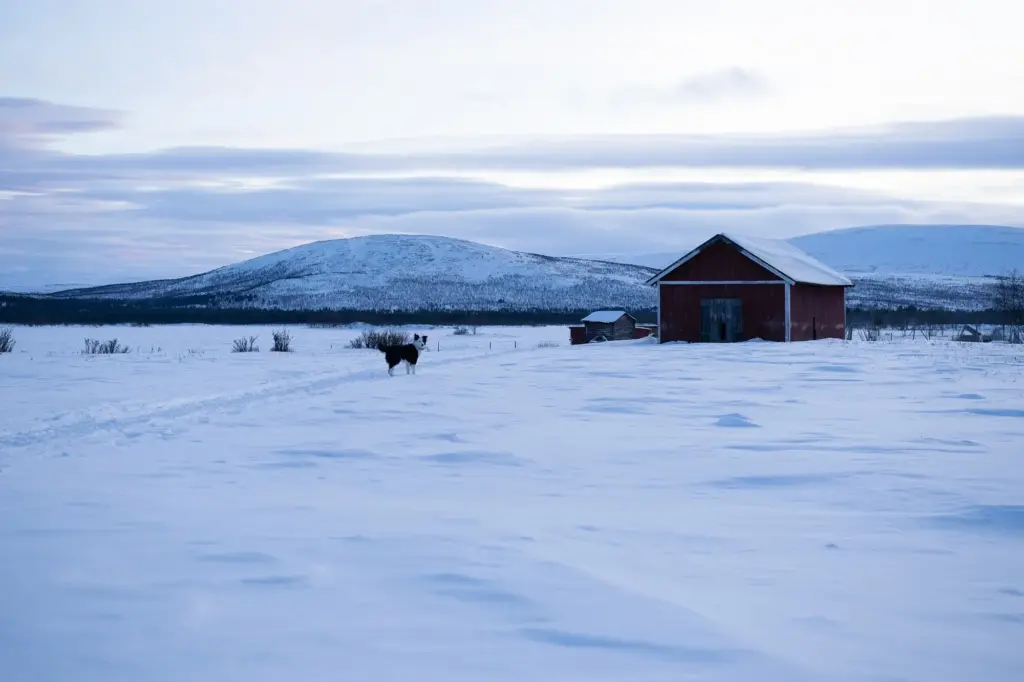
On a frosty traverse above the treeline, an early pour-over tasted sharp and thin. A second attempt, with a finer grind, longer bloom, and patient pulses beneath a makeshift windscreen, transformed everything. Sweet stone fruit appeared, chocolate settled in, and tired legs finally believed the ridge was worth every careful, mindful minute.
Gear That Works Above Tree Line
{{SECTION_SUBTITLE}}

Stoves and Fuel That Actually Light
Brewers Built for the Cold
Dialing In Grind, Ratio, and Time

Field-Proven Methods and Recipes

AeroPress Inverted for Reliable Sweetness
Pour-Over With Patient Pulses
French Press, Heavy Gloves Approved
Water, Minerals, and Backcountry Purity

Heat Loss, Wind, and Smarter Camp Workflow
Windshields, Lids, and Preheating Rituals
Wind steals more than comfort; it robs extraction energy. Use a stable windscreen, shield flames from gusts, and always cap your kettle. Preheat cone, press, and mug, then pour promptly. Every minute counts in thin air, so create a calm pocket of warmth that protects your careful grind settings and precise timing.
Fuel Math and Morning Rhythm
Colder air and longer boils burn more fuel. Plan extra canisters or white gas, weigh them before departure, and track days left on a small notepad. Practice your brewing steps at home to reduce fumbles. A smooth, practiced rhythm conserves heat, limits spills, and buys you focused moments to taste and adjust.
Leave No Trace and Trail Community
Pack out every filter and ground, strain gray water, and scatter it far from streams. Choose unscented soaps or skip them entirely. Share your elevation, method, and insights with fellow trekkers in the comments. Your hard-won tweaks—from windscreen angles to bloom timing—help others sip warmth and kindness where the air thins.
All Rights Reserved.